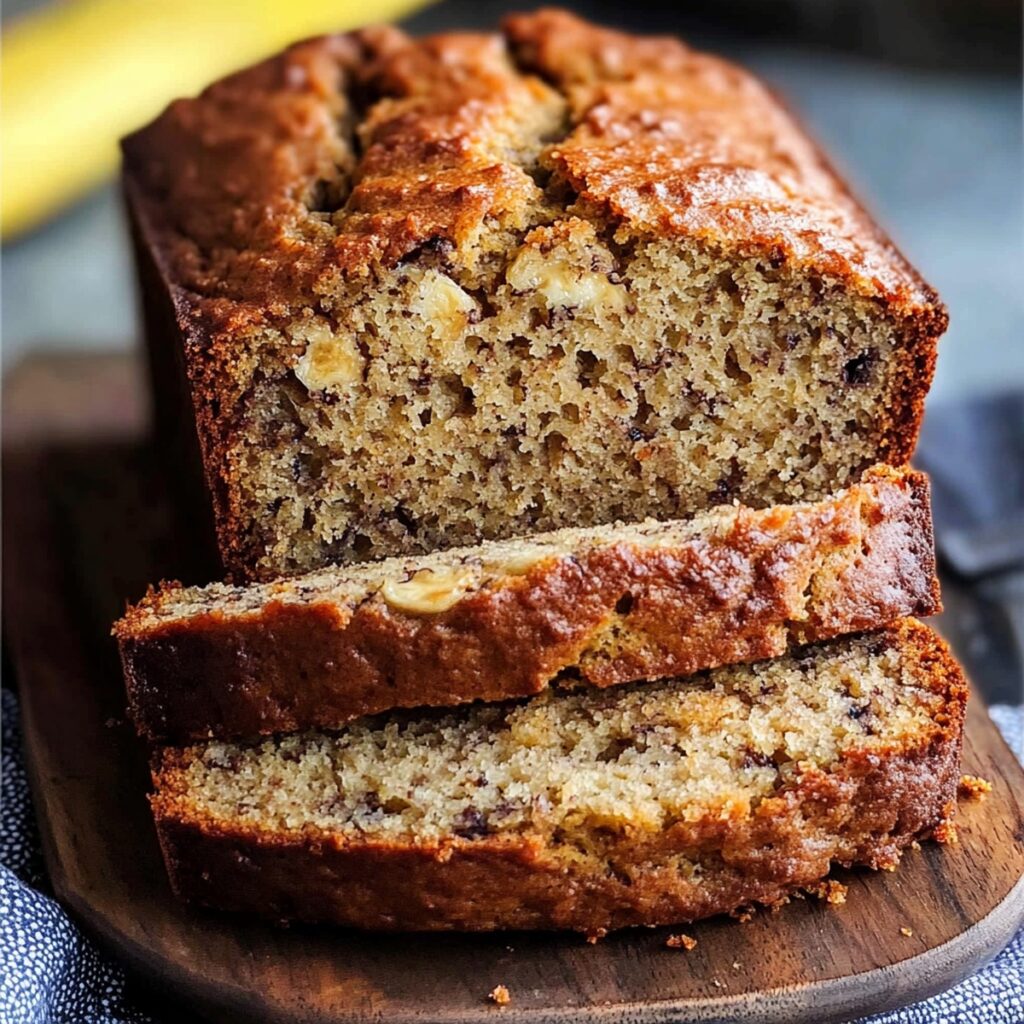
Banana bread is one of those recipes that looks simple but rewards you for paying attention to the details. The real secret to a great loaf is how you handle the bananas and the mixing. I’ve made a lot of banana bread over the years, and what I’ve learned is that the difference between “good” and “can’t-stop-eating-it” comes down to mastering the texture. If you mash the bananas just enough and don’t overwork the batter, you get a moist crumb that’s never gummy or dense. It’s a small thing, but it makes a big impact.
What I love about this banana bread is that it doesn’t require any fancy equipment or hard-to-find ingredients. You probably have everything you need in your kitchen already. The technique is straightforward, but there are a few key steps that make all the difference. Creaming the butter and sugar until it’s really light and fluffy is one of them. This traps air and helps the loaf rise evenly. Then, when you combine the wet and dry ingredients, you want to mix just until the flour disappears. Overmixing is the most common mistake—if you avoid that, you’re halfway to perfect banana bread.
This recipe is practical for busy weeks, travel days, or when you want to use up those bananas sitting on the counter. It’s also flexible: you can add nuts, swap yogurt for sour cream, or even toss in some chocolate chips if you’re feeling it. But the core method stays the same, and once you get comfortable with it, you’ll find yourself making this banana bread on repeat. If you’re looking to master a classic that never goes out of style, this is the place to start.
My Favorite Banana Bread
Click here to get printable version
Essential Ingredients
- 2 cups (250g) all-purpose flour, spooned and leveled
- 1 teaspoon baking soda
- 1/4 teaspoon salt
- 1/2 teaspoon ground cinnamon
- 1/2 cup (113g) unsalted butter, softened to room temperature
- 3/4 cup (150g) packed light or dark brown sugar
- 2 large eggs, at room temperature
- 1/3 cup (80g) plain yogurt or sour cream, at room temperature
- 1 and 1/2 cups (345g) mashed ripe bananas (about 4 medium or 3 large)
- 1 teaspoon pure vanilla extract
- Optional: 3/4 cup (100g) chopped walnuts or pecans
The Quick and Easy Method
- Preheat your oven to 350°F (177°C). Place the oven rack in the lower third to keep the top of the bread from over-browning. Lightly grease a 9×5-inch metal loaf pan with nonstick spray.
- In a medium bowl, whisk together the flour, baking soda, salt, and cinnamon until well combined. Set this dry mixture aside.
- Using a mixer with a paddle or whisk attachment, beat the softened butter and brown sugar on high speed until the mixture is light and creamy—this should take about 2 minutes. This step is important for a tender crumb.
- Reduce the mixer speed to medium. Add the eggs one at a time, mixing well after each addition. Then add the yogurt (or sour cream), mashed bananas, and vanilla extract. Mix until everything is just combined and smooth.
- Switch the mixer to low speed. Gradually add the dry ingredients to the wet mixture, mixing only until you no longer see dry flour. Do not overmix—stop as soon as the batter comes together. If using nuts, gently fold them in now with a spatula.
- Pour the batter into the prepared loaf pan and smooth the top. Bake for 60 to 65 minutes. At the halfway point, loosely tent the bread with foil to prevent the crust from getting too dark. Start checking for doneness at 60 minutes by inserting a toothpick—it should come out clean or with a few moist crumbs.
- Let the bread cool in the pan on a wire rack for about an hour. Then remove it from the pan and let it cool completely before slicing. This helps the texture set and makes slicing easier.
- Store covered at room temperature for up to 2 days, or refrigerate for up to a week. The flavor improves after a day or two as everything melds together.
How to Choose the Best Bananas
The best banana bread starts with bananas that are deeply ripe—think skins that are mostly brown with plenty of spots. Underripe bananas won’t provide enough sweetness or moisture. If your bananas aren’t quite there, you can speed up ripening by placing them in a paper bag for a day or two. For an even deeper flavor, freeze overripe bananas and thaw them before use; they’ll be extra soft and easy to mash.
Creative Ways to Plate and Present
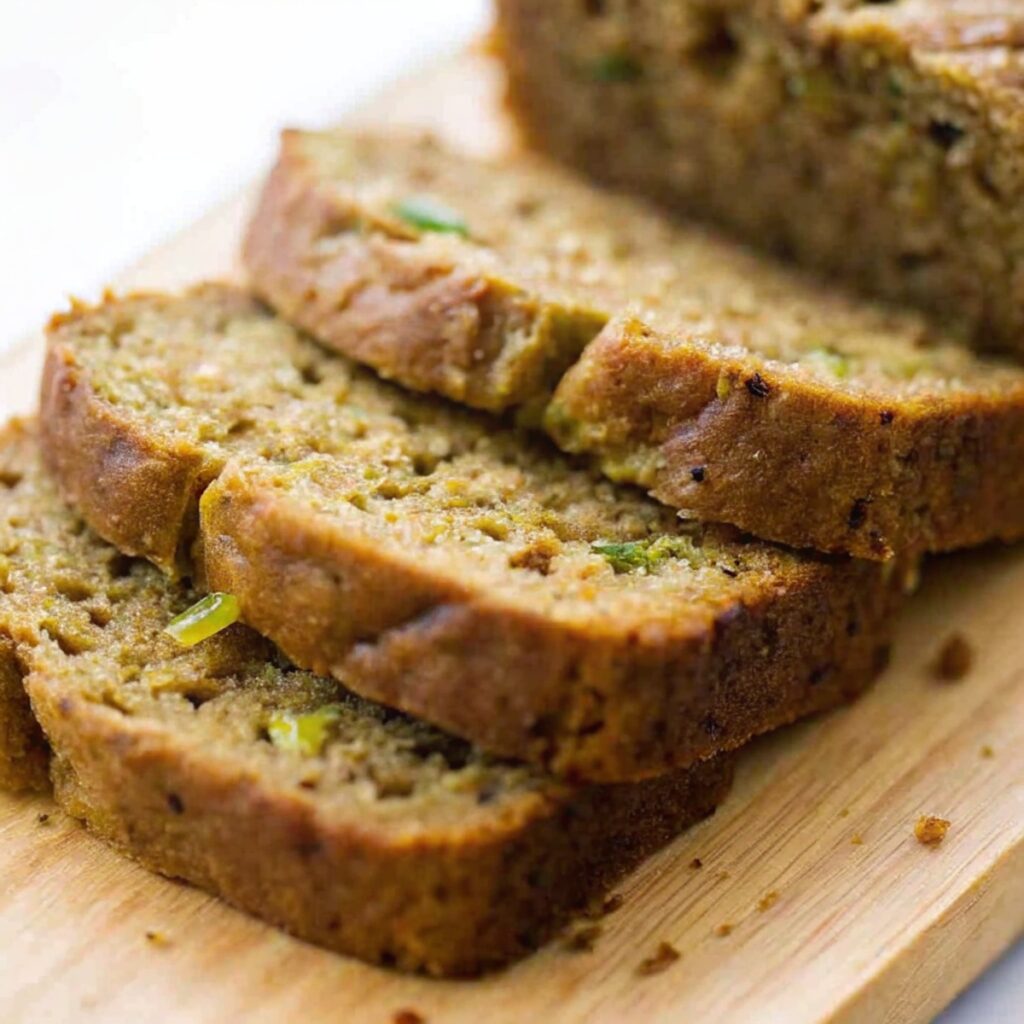
Banana bread is versatile when it comes to presentation. For a classic look, slice and serve on a simple wooden board. If you want to elevate it, try dusting the top with powdered sugar or arranging slices with a dollop of Greek yogurt and a sprinkle of cinnamon. For brunch, cut thick slices and toast them lightly, then serve with honey or a pat of butter. Let the bread cool completely before slicing for clean, even pieces.
Storage Tips to Keep Ingredients at Their Best
Keep your bananas at room temperature until they’re fully ripe. Store flour in a cool, dry place, and always check for freshness before baking. Butter should be softened at room temperature, not melted, for the best texture. After baking, wrap the cooled banana bread tightly in plastic wrap or foil. For longer storage, freeze individual slices in airtight bags for up to 3 months. Thaw at room temperature or gently warm in a toaster oven.
Techniques to Maximize Flavor
For a richer banana flavor, use bananas that are almost black on the outside. Toasting the nuts before adding them to the batter brings out their aroma and adds depth. Cream the butter and sugar until very fluffy—this step is essential for a light crumb. Don’t skip the cinnamon; it adds subtle warmth. If you want a caramelized top, sprinkle a little extra brown sugar over the batter before baking.
What to Add in Spring, Summer, Fall, or Winter
This banana bread adapts well to the seasons. In spring, fold in chopped strawberries or swirl in a bit of lemon zest. Summer is perfect for adding blueberries or raspberries. In fall, try mixing in diced apples or extra cinnamon. For winter, add a handful of dark chocolate chips or a pinch of nutmeg. Always keep the base recipe the same to maintain the right texture.
Before You Try It: FAQs
Why is my banana bread dense or gummy in the middle?
This usually happens if the batter is overmixed or if the bread is underbaked. Mix just until the flour disappears and always check doneness with a toothpick inserted in the center. If it comes out wet, bake for a few more minutes and check again. Letting the bread cool fully before slicing also helps prevent a gummy texture.
Can I make this banana bread without a mixer?
Yes, you can make banana bread by hand using a sturdy whisk and a spatula. Creaming the butter and sugar will take a bit more effort, but it’s entirely doable. Just make sure the butter is very soft before you start, and mix vigorously to incorporate air. The rest of the steps remain the same.
What’s the best way to mash bananas for this recipe?
Use a fork or potato masher to mash the bananas until mostly smooth with a few small lumps. Don’t puree them completely—a bit of texture gives the bread character and prevents it from becoming too dense. If your bananas are very soft, you can even mash them directly in the mixing bowl.
How do I prevent the top from getting too dark?
Place the oven rack in the lower third and tent the bread with foil about halfway through baking. This shields the top from direct heat and allows the inside to finish baking without burning the crust. If your oven runs hot, check the bread a little earlier than the suggested time.
Can I double the recipe for two loaves?
Yes, you can double all the ingredients and bake in two separate loaf pans. Don’t try to bake a double batch in one pan—it won’t cook evenly. Keep an eye on baking time, as two loaves may need a few extra minutes depending on your oven.
Why does my banana bread sometimes crack on top?
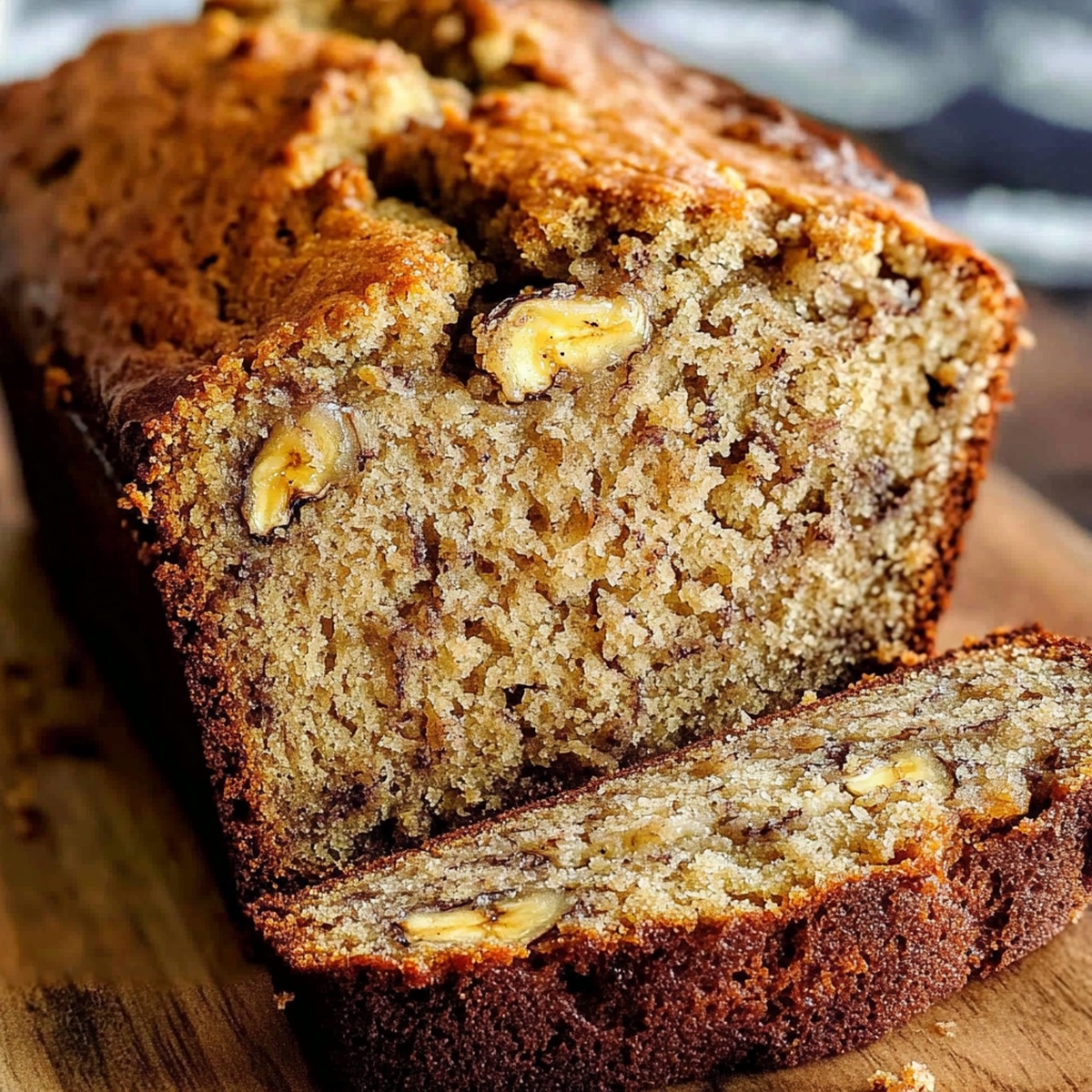
A cracked top is normal and actually a sign of a well-risen loaf. As the batter expands in the oven, the top splits to release steam. If you want a smoother top, don’t overfill the pan and make sure your oven temperature is accurate. The crack won’t affect taste or texture.
My Favorite Banana Bread
Equipment
- 9x5-inch metal loaf pan
Ingredients
- 2 cups all-purpose flour spooned and leveled
- 1 teaspoon baking soda
- 1/4 teaspoon salt
- 1/2 teaspoon ground cinnamon
- 1/2 cup unsalted butter softened to room temp
- 3/4 cup packed light or dark brown sugar
- 2 large eggs at room temperature
- 1/3 cup plain yogurt or sour cream at room temp
- 1.5 cups mashed ripe bananas about 4 medium or 3 large (345g)
- 1 teaspoon pure vanilla extract
- 3/4 cup chopped walnuts or pecans optional
Instructions
- Preheat the oven to 350°F (177°C) and position the rack in the lower third to prevent over-browning. Grease a 9x5-inch loaf pan with nonstick spray and set aside.
For the Batter:
- In a medium-sized bowl, combine the flour, baking soda, salt, and cinnamon. Mix thoroughly and set aside.
- Using a mixer with a paddle attachment, beat the softened butter and brown sugar at high speed for about 2 minutes until creamy.
- Reduce the mixer speed to medium and incorporate the eggs one by one, ensuring to blend well after each addition. Mix in the yogurt (or sour cream), mashed bananas, and vanilla extract until smooth.
- On low speed, gradually integrate the dry ingredients into the wet mixture, mixing until just combined without any visible flour. If using nuts, gently fold them into the batter now.
- Pour the batter into the prepared loaf pan and level the surface. Bake for 60 to 65 minutes, tenting with foil halfway through to avoid excessive browning. Start testing for doneness at 60 minutes with a toothpick.
- Once baked, allow the bread to cool in the pan on a wire rack for around an hour. Then, remove from the pan and let it cool completely before slicing.
- To store, keep your banana bread covered at room temperature for up to 2 days, or refrigerate for up to a week. It tastes best after a day or two, when the flavors meld beautifully.