Let’s be honest—store-bought pickles are fine, but they never seem to hit that perfect spot between crisp and tangy. That’s why I started making my own dill pickles at home. It’s one of those recipes that’s surprisingly easy, even if you’re not a “pickler.” I like having a jar (or four) in the fridge for those moments when a sandwich needs a little extra crunch, or when the kids want a healthy snack that isn’t just another apple slice. The best part? You control what goes in—no weird preservatives or mystery ingredients.
I first tried making dill pickles because I was tired of half-eaten cucumbers going limp in the crisper. This recipe is a game-changer for using up fresh produce before it goes bad. Plus, you can customize the flavor—add more garlic if you like it punchy, or throw in extra dill for a fresh, herby kick. The process is so quick, you’ll wonder why you ever bought pickles in the first place. You don’t need fancy canning equipment or hours of free time. Just a few jars, some basic ingredients, and about ten minutes of hands-on work.
These pickles are perfect for sharing at a backyard BBQ, packing into lunchboxes, or just keeping on hand for snack attacks. If you’re new to pickling, don’t stress. The steps are straightforward and forgiving. Even if you mess up a little, you’ll still end up with something tasty. And if you’re the type who likes to experiment, this recipe is a great starting point. You can swap in different spices or try other veggies once you get the hang of it. Whether you’re feeding a crowd or just yourself, homemade dill pickles bring a fresh, satisfying crunch to any meal. Give it a shot—you’ll be surprised how easy (and satisfying) it is to make your own.
A Fresh Take on a Classic: Dill Pickles
Click here to get printable version
The Bare Essentials
- 12 to 14 Persian cucumbers or 8 to 10 pickling cucumbers
- 4 garlic cloves, cut in half
- A few fresh dill sprigs per jar
- 2 teaspoons whole mustard seeds
- 2 teaspoons whole peppercorns
- 2 cups distilled white vinegar
- 2 cups water
- ¼ cup cane sugar
- 2 tablespoons sea salt
How to Make It
- Wash your cucumbers well. For spears, slice them lengthwise into quarters. For chips, cut them into thin rounds. Both shapes work—just pick what you like best.
- Divide the cucumber pieces evenly among 4 clean 8-ounce jars or 2 larger 16-ounce jars. Drop in the halved garlic cloves, a few dill sprigs, mustard seeds, and peppercorns into each jar. Try to distribute the seasonings so every jar gets a good mix.
- In a saucepan, combine the vinegar, water, cane sugar, and sea salt. Warm over medium heat, stirring until the sugar and salt dissolve completely—this should take about a minute. Don’t let the mixture boil; just heat it enough to dissolve everything. Remove from heat and let it cool for a few minutes.
- Pour the slightly cooled brine over the cucumbers in each jar, making sure the veggies are fully submerged. If you’re short on brine, just top up with a little extra water.
- Let the jars cool to room temperature. Once cooled, seal them and place in the fridge. For best flavor, wait at least 1 day for chips or 2 days for spears before eating. The pickles get even better after 5–6 days. Keep them refrigerated and enjoy within a few weeks.
The ‘Why’ Behind the Ingredients
Every ingredient in this dill pickle recipe serves a purpose. Persian or pickling cucumbers have thin skins and stay crisp, which is key for that satisfying crunch. Fresh dill brings the classic flavor, while garlic adds depth and a little bite. Mustard seeds and peppercorns give subtle heat and complexity. The vinegar is essential for pickling and preserving, while cane sugar and sea salt balance the acidity and round out the flavors. Using natural, fresh ingredients means you get a healthier, cleaner-tasting pickle without additives.
Presentation Techniques to Show Off Your Skill
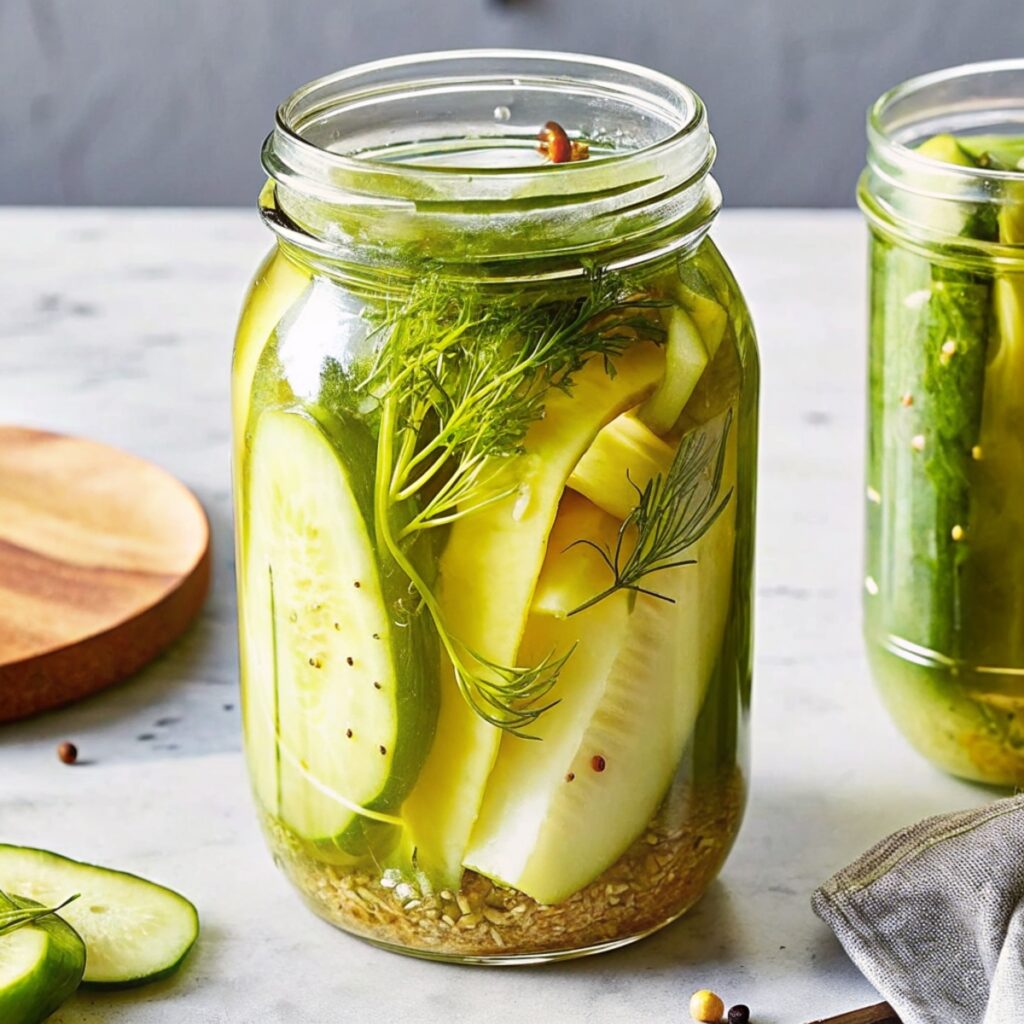
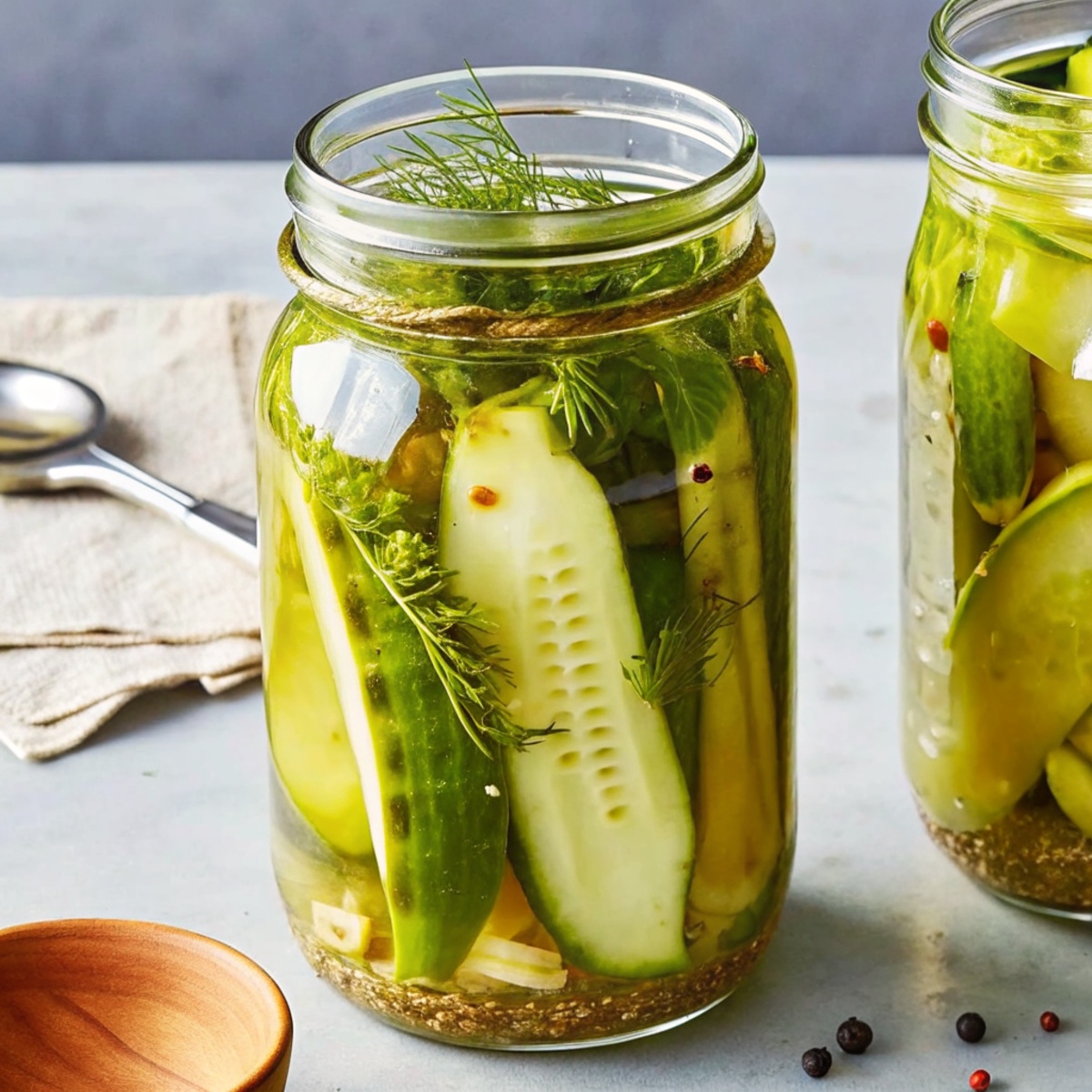
Homemade pickles look great when you layer the cucumber spears or rounds neatly in clear glass jars. Try alternating the direction of the spears for a tidy, professional look. Add a few extra dill sprigs and a slice of garlic against the glass for visual appeal. Serve them in a small bowl with a sprinkle of extra dill or alongside a cheese board to make them stand out. If you’re bringing them to a potluck, label the jar with a simple tag—homemade always impresses.
Storage That Maintains Perfect Texture and Quality
To keep your pickles crisp, always store them in the fridge with the cucumbers fully submerged in brine. Use clean, airtight jars to prevent spoilage and off-flavors. If you notice the brine getting cloudy or the pickles losing crunch, it’s time to finish them up. Avoid storing at room temperature, as these are refrigerator pickles and not shelf-stable. For best results, eat within 3–4 weeks for peak freshness and texture.
Pro-Tips That Make a Real Difference
Use super-fresh cucumbers for the best crunch—older cucumbers tend to get soft. If you want extra-crisp pickles, soak the sliced cucumbers in ice water for 30 minutes before pickling. Don’t skip the cooling step before refrigerating; pouring hot brine directly into the fridge can cause jars to crack and may soften the pickles. Taste a pickle after a couple of days and adjust the seasoning next time to suit your preferences. If you like a spicy kick, add a sliced jalapeño to the jar.
Applying This Core Method to Other Dishes
Once you’ve mastered this quick pickle method, you can use it for other veggies like carrots, radishes, or even green beans. The same brine works well—just adjust the slicing and pickling time based on the vegetable’s thickness. Try adding different spices (like coriander seeds or chili flakes) for variety. These pickled veggies are great for salads, grain bowls, or as a tangy topping for tacos and burgers. The possibilities go way beyond cucumbers.
Frequently Asked Questions (FAQ)
Can I use regular cucumbers instead of Persian or pickling cucumbers?
Yes, you can use regular cucumbers, but they tend to have thicker skins and more seeds, which can make the pickles less crisp and sometimes a bit watery. If you go this route, peel them and scoop out the seeds for better texture. Smaller, firmer cucumbers always yield the crunchiest results.
Why does my brine sometimes turn cloudy?
Cloudy brine can happen if the jars or utensils weren’t fully clean, or if the pickles are left too long. It’s usually harmless, but if you notice any off smells or sliminess, discard the pickles. Always use clean jars and fresh ingredients to minimize cloudiness.
Can I reuse the brine for another batch?
It’s not recommended to reuse brine for a new batch of pickles. The salt and vinegar levels drop after the first use, which can lead to less effective pickling and possible spoilage. Always make a fresh brine for each batch to ensure safety and flavor.
How do I know if my pickles have gone bad?
If your pickles develop a strange odor, slimy texture, or mold, it’s time to toss them. Pickles should always smell fresh and have a crisp bite. Cloudy brine alone isn’t always a problem, but any other changes in color or texture are a sign they’re past their prime.
Is it safe to add other vegetables to the same jar?
Yes, you can add other veggies like carrots or onions to the same jar, but keep in mind that different vegetables pickle at different rates. Slice everything to a similar thickness so they pickle evenly, and always keep everything submerged in brine for safety.
Can I make these pickles sugar-free?
Yes, you can leave out the sugar or substitute with a natural sweetener like stevia or monk fruit. The sugar helps balance the acidity, but it’s not essential for the pickling process. Expect a tangier, sharper flavor if you skip the sugar entirely.
Dill Pickles
Ingredients
Pickle Ingredients:
- 12 to 14 Persian cucumbers or 8 to 10 pickling cucumbers
- 4 cloves garlic cut in half
- a few fresh dill sprigs per jar
- 2 teaspoons whole mustard seeds
- 2 teaspoons whole peppercorns
Brine Ingredients:
- 2 cups distilled white vinegar
- 2 cups water
- 1/4 cup cane sugar
- 2 tablespoons sea salt
Instructions
- Begin by slicing cucumbers lengthwise into quarters for spears or thin rounds for chips.
For Jars:
- Distribute the cucumber pieces evenly into 4 (8-ounce) jars or 2 larger (16-ounce) jars. Add the halved garlic, mustard seeds, peppercorns, and fresh dill sprigs into each jar.
For Brine:
- In a saucepan, combine water, vinegar, sugar, and salt. Heat over medium while stirring until the sugar and salt are fully dissolved, which should take about a minute. Allow the brine to cool slightly before pouring it over the cucumbers in the jars.
- Let the jars reach room temperature before placing them in the refrigerator. Your pickles will achieve a lightly pickled state in about 2 days for spears and 1 day for chips. The flavor enhances the longer they sit, peaking after 5 or 6 days.
- Store your homemade pickles in the refrigerator and enjoy them fresh for several weeks, perfect for adding a zesty crunch to any meal.