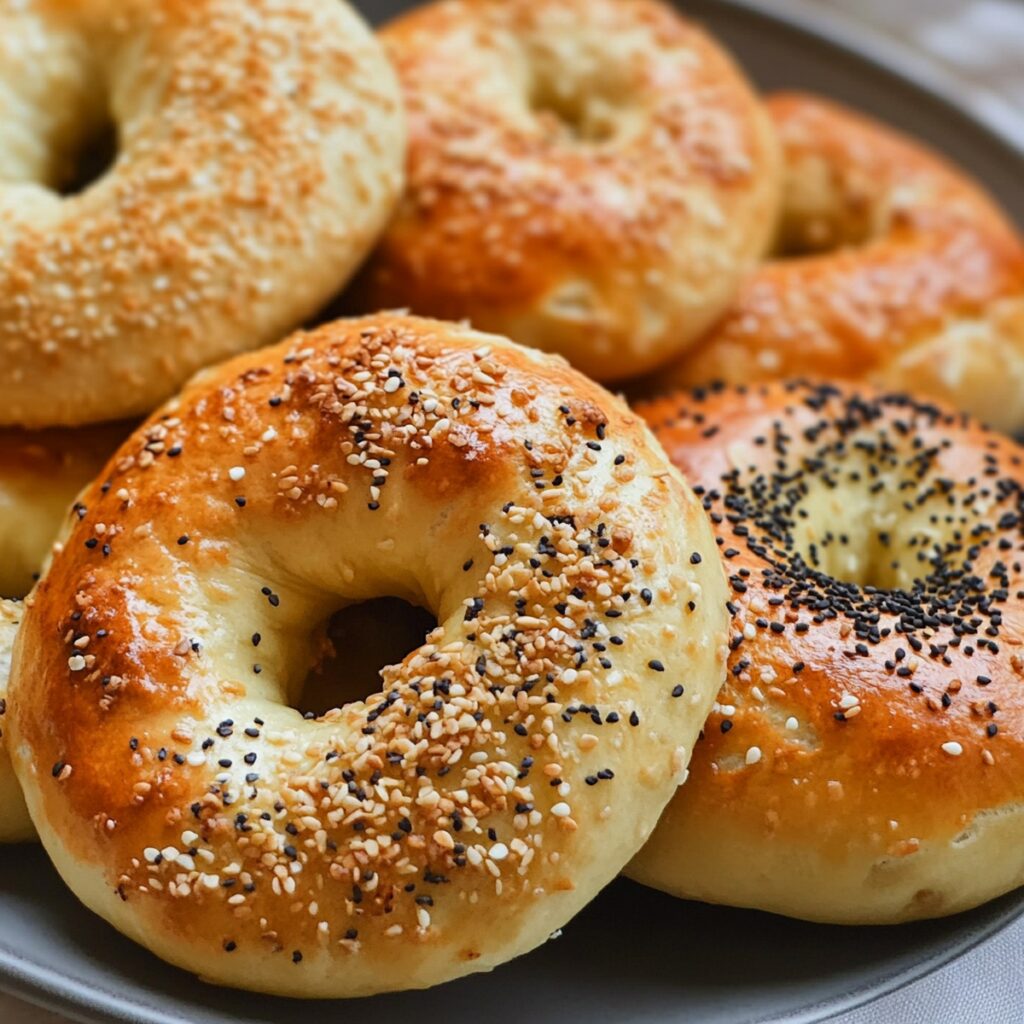
There’s something really satisfying about making homemade bagels from scratch. I started making them because I wanted a breakfast that felt special but didn’t require a long list of ingredients. With just bread flour, yeast, a little sweetener, and salt, you can create bagels that are chewy, golden, and far fresher than anything from a bag. The process is straightforward, and you don’t need fancy equipment—just a bowl, a spoon, and a bit of patience.
What I love about this recipe is how it fits into a weekend routine. The dough comes together quickly, and while it rises, you can get other things done. Boiling the bagels might sound intimidating, but it’s actually pretty simple and gives you that classic chewy texture. Plus, you get to customize the size and toppings, which is great if you’re feeding a family with different tastes or dietary needs.
These bagels are naturally nourishing, thanks to the high-protein bread flour and the minimal use of sugar. You can swap in honey or barley malt syrup for a deeper flavor, or even use whole wheat flour for a fiber boost. I often make a batch on Sunday and keep them on hand for quick breakfasts or snacks throughout the week. They freeze well, too, so you can always have a homemade option ready to go. If you’re looking for a way to enjoy vibrant, fresh flavors without a lot of fuss, this homemade bagel recipe is a great place to start.
Make Homemade Bagels
Click here to get printable version
Things to Grab
- 1 1/2 cups (360ml) warm water (about 100-110°F / 38-43°C)
- 2 3/4 teaspoons instant or active dry yeast
- 4 cups (520g) bread flour, plus extra for dusting
- 1 tablespoon granulated sugar or packed light/dark brown sugar (or barley malt syrup)
- 2 teaspoons salt
- 2 quarts water (for boiling)
- 1/4 cup (60g) honey or barley malt syrup (for boiling water)
- Nonstick spray or 2 teaspoons olive oil (for greasing bowl)
- 1 egg white beaten with 1 tablespoon water (for egg wash)
The Method
- Combine the warm water and yeast in a large bowl or stand mixer bowl. Cover and let it sit for about 5 minutes, until the mixture is foamy. This step ensures your yeast is active.
- Add bread flour, sugar (or syrup), and salt to the yeast mixture. Mix on low speed for 2 minutes, or stir by hand, until a rough dough forms. The dough will be stiff and slightly dry at this stage.
- Knead the dough for 6-7 minutes in the mixer or by hand on a lightly floured surface. The dough should become soft and elastic but not sticky. If it sticks, sprinkle in a little extra flour as needed. Check by poking the dough—if it springs back slowly, it’s ready.
- Lightly oil a large bowl and place the dough inside, turning to coat all sides. Cover with plastic wrap or a clean towel and let it rise at room temperature for 60-90 minutes, or until doubled in size.
- Line two baking sheets with parchment paper or silicone mats.
- Gently punch down the risen dough to release air. Divide into 8 pieces and shape each into a ball. Poke a hole through the center of each ball with your finger, stretching gently to form a 1.5 to 2-inch hole. Cover with a towel and let rest for a few minutes.
- Preheat your oven to 425°F (218°C).
- Bring 2 quarts water and honey (or syrup) to a boil in a large pot. Reduce to medium-high. Carefully drop 2-4 bagels at a time into the water. Boil each side for 1 minute. This step creates the chewy crust bagels are known for.
- Brush each boiled bagel with the egg wash. Place 4 bagels on each prepared baking sheet.
- Bake for 20-25 minutes, rotating the pans halfway, until the bagels are deep golden brown.
- Let the bagels cool on the baking sheets for 20 minutes, then transfer to a wire rack to cool completely before slicing or storing.
How to Choose the Best Bread Flour
Bread flour is key for bagels because of its high protein content, which gives them their signature chew. Look for bread flour with at least 12% protein—this information is usually on the package. If you want a lighter bagel, you can mix in up to 25% all-purpose flour, but avoid going lower or you’ll lose that classic texture. For a more nutritious option, try swapping up to half the bread flour for whole wheat bread flour, but add an extra tablespoon or two of water to compensate for the extra fiber.
Creative Ways to Plate and Present
Bagels look great sliced and fanned out on a wooden board, especially if you add small bowls of toppings like whipped cream cheese, sliced tomatoes, cucumbers, or smoked salmon. For a lighter touch, serve with fresh fruit and a yogurt dip. If you want to get creative, make mini bagels for brunch platters or use cookie cutters to shape the dough before boiling. Always let bagels cool fully before slicing for the cleanest presentation.
Storage Tips to Keep Ingredients at Their Best
Store baked bagels in an airtight container at room temperature for up to 3 days. For longer storage, slice and freeze them—this way, you can toast them straight from the freezer. Keep bread flour in a sealed container in a cool, dry place to prevent it from absorbing moisture. Yeast should be stored in the fridge or freezer for maximum freshness. Never refrigerate bagels unless you want to keep them for more than 3 days, as refrigeration can dry them out.
Techniques to Maximize Flavor
For deeper flavor, let the dough rise slowly in the fridge overnight instead of at room temperature. Using barley malt syrup in the dough and water bath adds a classic, slightly malty taste. Don’t skip the boiling step—it’s what gives bagels their shiny, chewy crust. Brush with egg wash right after boiling for the best color and sheen. If you want to add seeds or toppings, sprinkle them on after the egg wash while the bagels are still wet.
What to Add in Spring, Summer, Fall, or Winter
Bagels are versatile and can be adapted for any season. In spring, add fresh herbs like chives or dill to the dough. For summer, try topping with sesame seeds and serving with ripe tomatoes. In fall, mix in a little pumpkin puree and cinnamon, or sprinkle with pumpkin seeds. Winter bagels pair well with dried cranberries or a touch of orange zest in the dough. Adjust hydration slightly if adding moist ingredients like pumpkin.
FAQ: All You Need to Know
Why do my bagels sometimes turn out flat?
Flat bagels are usually the result of over-proofing or not enough gluten development. Make sure the dough is kneaded until it’s elastic and springs back when poked. Avoid letting the dough rise too long—if it doubles in size, it’s ready. Over-proofed dough can collapse during boiling or baking, so keep an eye on the timing.
Can I make these bagels without a stand mixer?
Absolutely, you can knead the dough by hand. It will take about 6-8 minutes of steady kneading on a lightly floured surface. The dough should become smooth and elastic. If it feels too sticky, add a bit more flour, but avoid adding too much or the bagels will be dense. Hand kneading gives you more control over the dough’s texture.
What’s the purpose of the water bath with honey or barley malt syrup?
The water bath gelatinizes the surface starches, which gives bagels their shiny, chewy crust. Adding honey or barley malt syrup to the water enhances browning and adds subtle flavor. Don’t skip this step—it’s essential for authentic bagel texture and appearance. Boil each side for one minute for the best results.
How do I know when the dough is kneaded enough?
The dough is ready when it’s smooth, elastic, and slightly tacky but not sticky. You can do the “windowpane test”: stretch a small piece of dough between your fingers—if it forms a thin, translucent sheet without tearing, it’s ready. If it tears easily, knead for another minute and check again.
Can I add mix-ins like raisins or seeds to the dough?
Yes, you can add dried fruit, seeds, or even nuts to the dough after the initial mixing but before kneading. Fold them in gently to distribute evenly. For toppings, add seeds or spices after the egg wash, right before baking. Be careful not to overload the dough with mix-ins, as this can affect rising and texture.
Is it possible to make these bagels vegan?
Yes, you can make vegan bagels by using maple syrup or agave instead of honey and skipping the egg wash. Brush the boiled bagels with a little plant-based milk or water before baking to help toppings stick and promote browning. The texture and flavor will still be excellent, and you can enjoy a fully plant-based version.
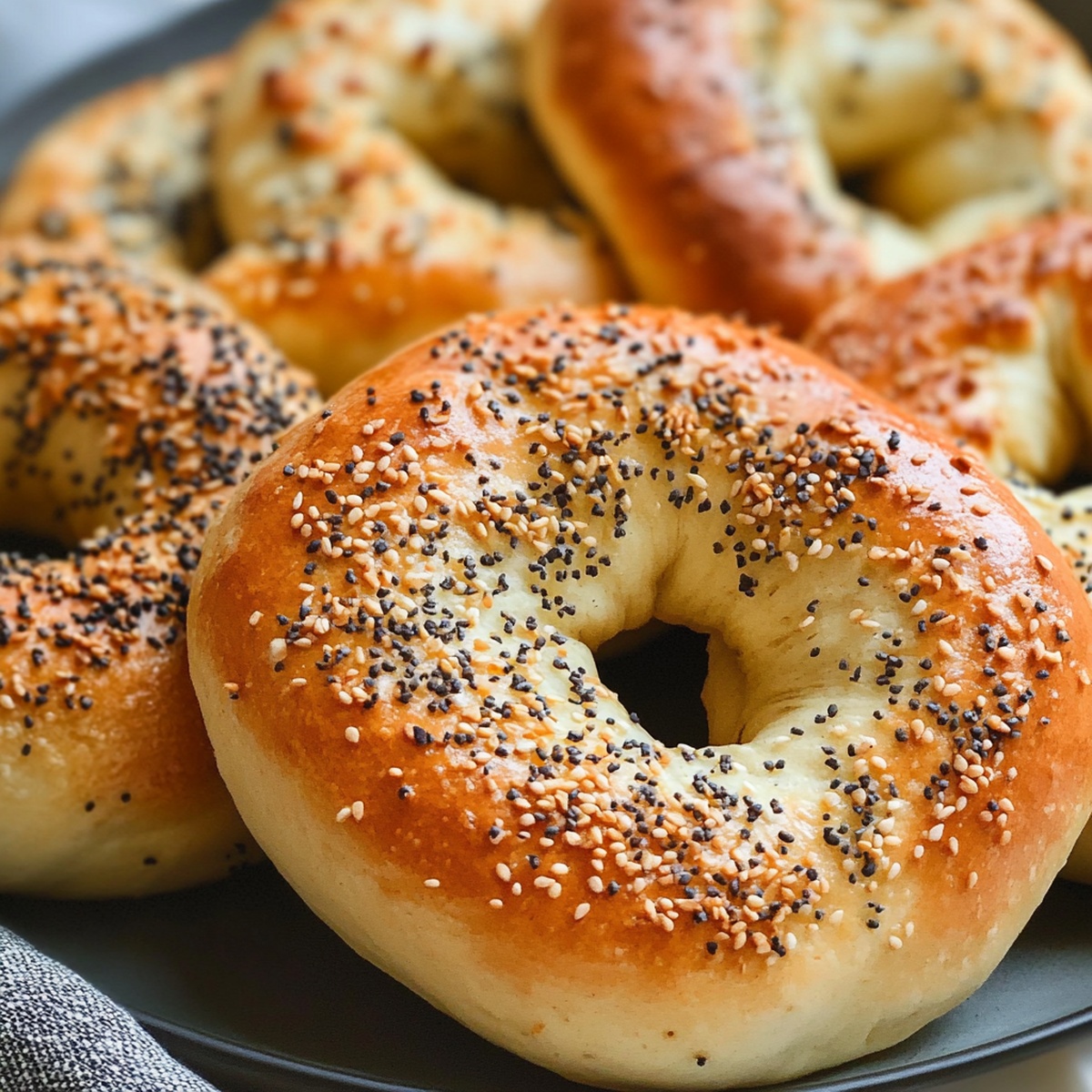
Homemade Bagels
Equipment
- Stand mixer or large bowl
- Baking sheets
- Parchment paper or silicone mats
- large pot
- Pastry brush
Ingredients
For the Dough:
- 1 1/2 cups warm water (about 100-110°F / 38-43°C)
- 2 3/4 teaspoons instant or active dry yeast
- 4 cups bread flour spooned and leveled, plus extra for dusting
- 1 tablespoon granulated sugar or brown sugar (or barley malt syrup)
- 2 teaspoons salt
For the Water Bath:
- 2 quarts water
- 1/4 cup honey or barley malt syrup
For Coating and Finishing:
- nonstick spray or olive oil for greasing the bowl
- 1 egg wash 1 egg white beaten with 1 tablespoon water
Instructions
For the Dough:
- Combine the warm water and yeast in a large mixing bowl. Allow it to sit covered for about 5 minutes until it becomes bubbly.
- Incorporate the bread flour, sugar, and salt into the yeast mixture. Mix on a low setting for roughly 2 minutes until the dough starts to come together, appearing stiff.
- Continue kneading the mixture in your stand mixer for another 6-7 minutes, or knead by hand for the same duration on a floured surface. The result should be a soft dough that isn’t overly sticky; adjust with further flour if necessary.
- Lightly grease a large bowl and place your dough inside, ensuring it's coated on all sides. Cover and let it rise for 60-90 minutes until it has doubled in size.
- Prepare two baking sheets by lining them with parchment paper or silicone mats.
- Once risen, gently punch down the dough to release any air bubbles. Divide it into 8 equal portions and shape each into a smooth sphere. Use your finger to poke a hole through the center of each ball, creating a 1.5 to 2-inch opening. Let them rest under a towel briefly.
- Preheat your oven to 425°F (218°C).
For the Water Bath:
- In a large pot, bring the water and honey to a boil, then reduce to medium-high heat. Carefully place 2-4 bagels at a time into the water, boiling each side for 1 minute. This process gives bagels their characteristic chewy exterior.
- Brush the top and sides of each boiled bagel with the egg wash. Arrange 4 bagels on each prepared baking sheet.
- Bake the bagels for 20-25 minutes, rotating the pans halfway through, until they develop a deep golden color.
- Allow the bagels to cool on the baking sheets for about 20 minutes before transferring to a wire rack to cool completely. Slice, toast, and enjoy with your favorite toppings. Store any leftovers in an airtight container at room temperature for a few days or refrigerate for up to a week.